


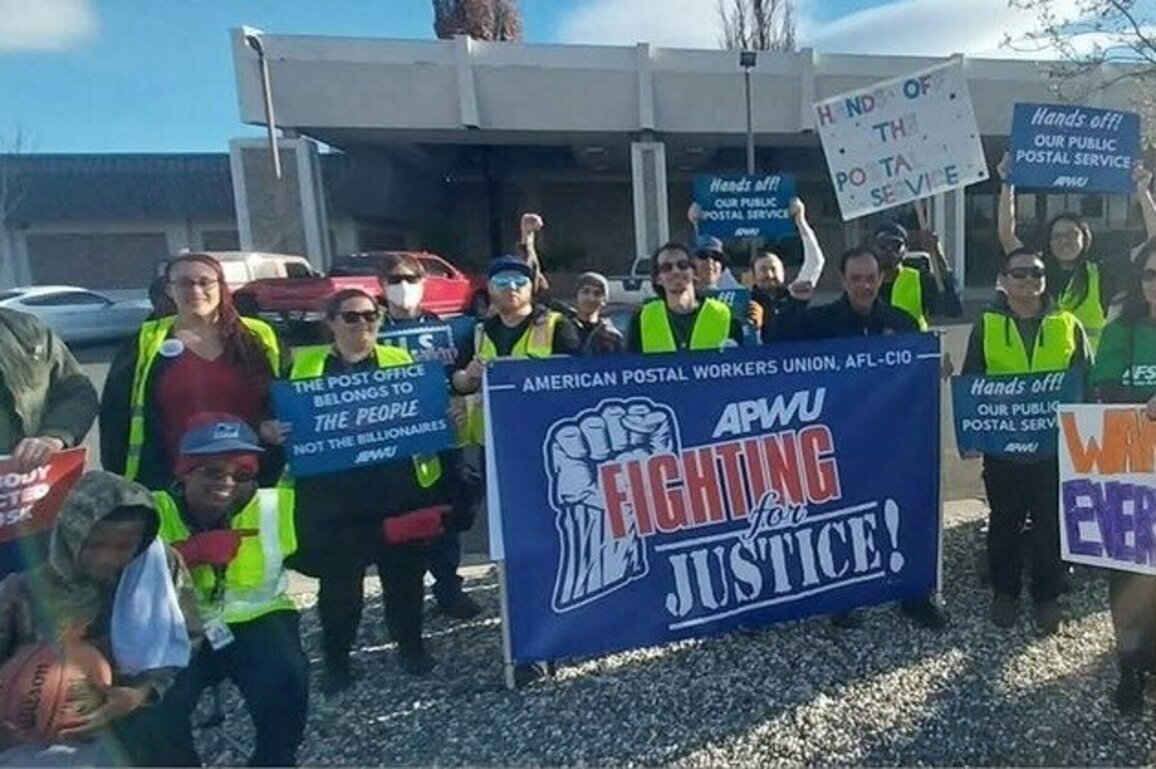
The American Postal Workers Union is calling for major safety reform at the U.S. Postal Service after a series of troubling events. Last fall in Michigan, a postal worker was crushed to death next to a machine, and his body wasn’t discovered for hours.
The union says the Postal Service consistently reports more workplace injuries than nearly all other federal agencies. Workers contend with industrial accidents, vehicle crashes, severe weather, exposure to toxic substances, and even explosives sent through the mail.
Jamila Bush, president of the Reno American Postal Workers Union – part of the AFL-CIO – said management sometimes fails to follow the Postal Service’s own rules, waiting for approval from higher-ups, for example, before calling an ambulance when an employee needs emergency care.
"Calling 911 in an emergency should be allowed to happen, and no employee should be threatened or fired," said Bush. "And in some of these large facilities, for some reason, cell phones just don't work."
The Union has launched a safety campaign called "Talk is Cheap: Safety Matters” and has published a safety checklist for workers. The USPS did not respond to a request for comment by deadline.
Bush recalled an incident in Reno last year when employees found a powdery substance in the sorting machines.
"An employee had itching and burning and eventually lost eyesight after over an hour of being exposed to something," said Bush, "and the supervisor just didn't take the complaints by the employee seriously."
Bush says the USPS is prioritizing volume and efficiency over safety and morale.
"The pressure all the way down through management to get the work out, get it done with less people," said Bush. "There's no excuses. It's almost like a panic."
A December report from the Government Accountability Office finds that the USPS has lost money almost every year since 2007, blaming a combination of factors – including lower mail volume, higher costs, and high pension obligations.
Unlike private carriers, the Postal Service has a mandate to deliver mail at a set low rate to every region, even the most remote.
Source: Public News Service